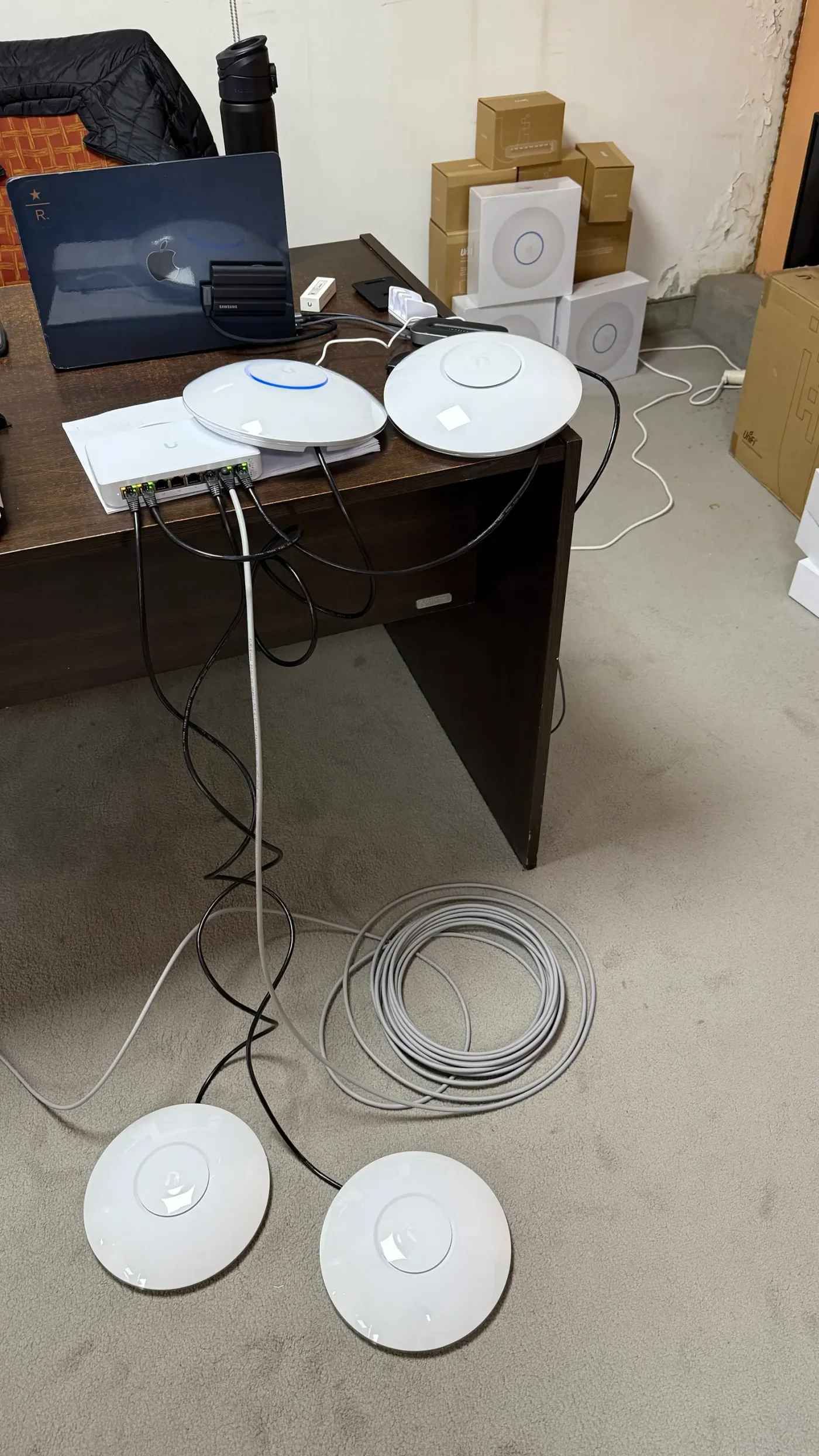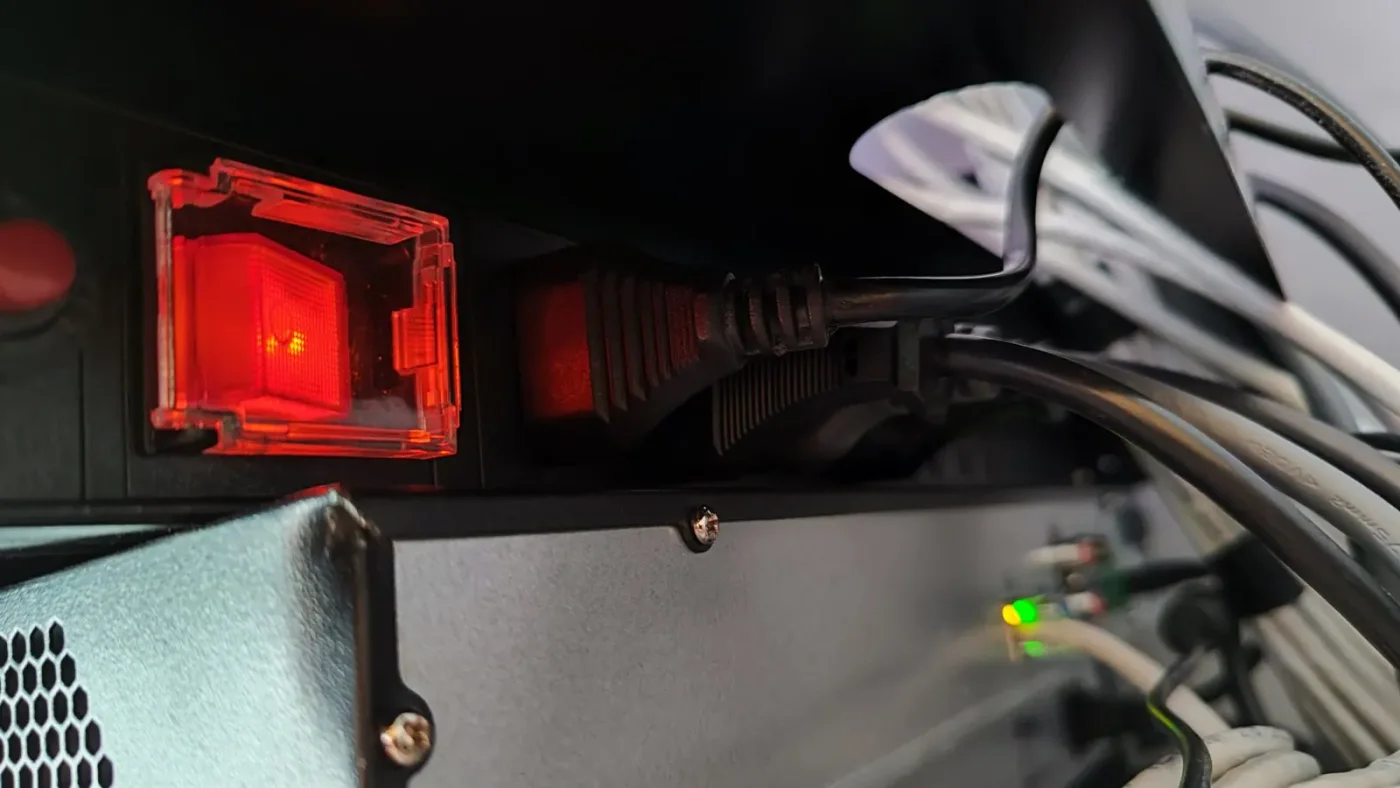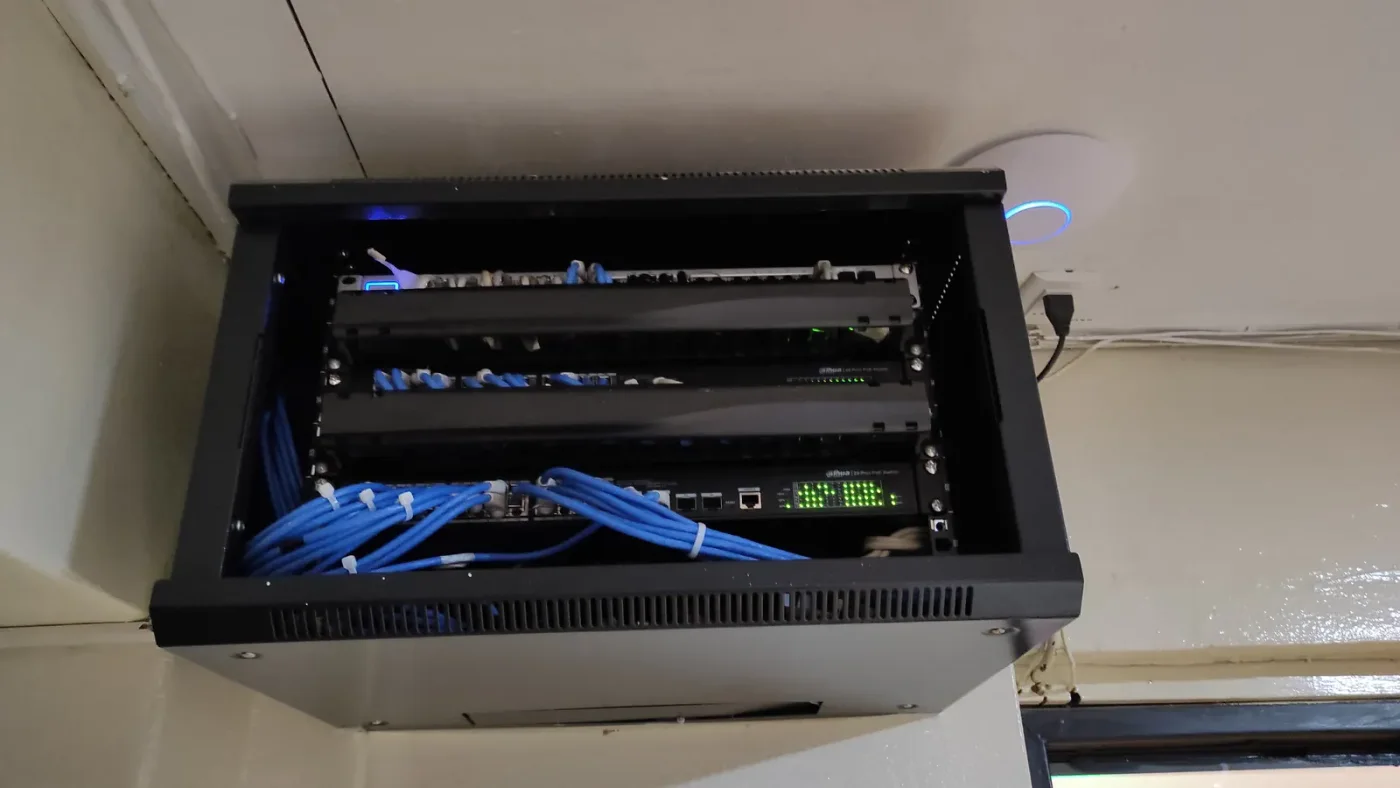
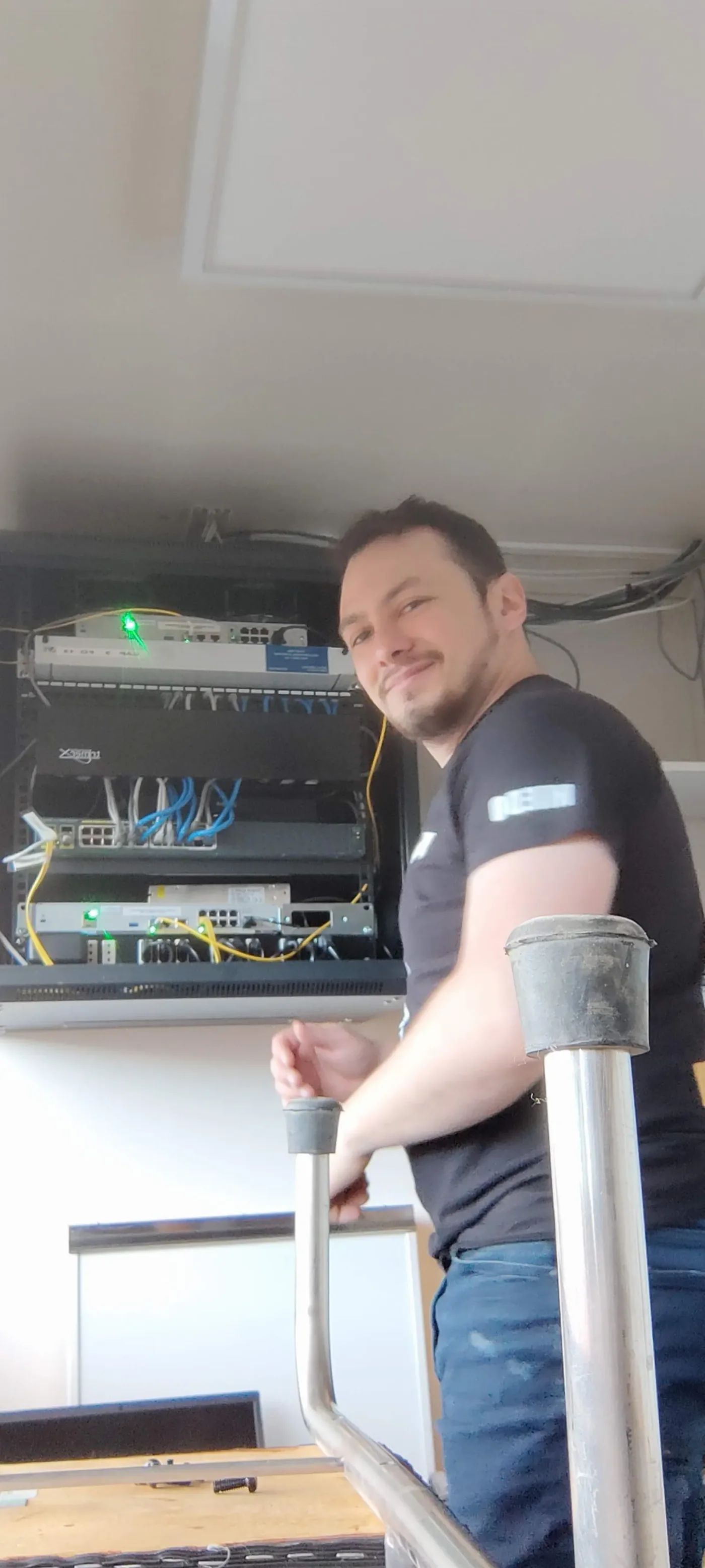
The peak season in Torres del Paine runs from October to April, according to the dates published annually by CONAF. Before this period begins, it’s advisable to check the WiFi capacity for maximum occupancy, the backup power, the cameras and access points, and to create a support plan with shorter response times for those months.
Each year, between October and April, occupancy rates at hotels and lodges near Torres del Paine increase significantly, according to the seasonal dates published by CONAF for the park. This period also represents the time when a technological failure becomes the most expensive, as there’s no room to wait for the usual service turnaround with the hotels fully booked.
Why peak season changes the rules.
A WiFi that performs well with low occupancy can become overloaded when the property is fully occupied, simply because more guests are connecting multiple devices simultaneously. The same applies to a backup power system sized for normal operation: if a power outage occurs during peak hours (e.g., when the kitchen is busy and the reception is crowded), the UPS may not be sufficient. The following checklist outlines what to check before this happens.
Technological checklist, across four areas.
| Front | What to review | Why it matters. |
|---|---|---|
| WiFi | The network’s capacity for maximum occupancy, not average. | The network becomes overloaded right at check-in, and also during the late hours, which are when most complaints occur. |
| Electric backrest | UPS status and battery status, simulated power outage test. | A power outage at a hotel with full occupancy cannot shut down the reception desk, the refrigerator, or the network. |
| Cameras and access points. | Recording functioning, discs with available space, access tested. | Demand for security increases alongside occupancy. |
| Support | Plan with shorter response times for peak months. | A mid-season fault cannot wait for the regular schedule. |
When to perform the review
It’s reasonable to review everything between four and six weeks before the start of the season, allowing enough time to address any issues without rushing and without clashing with the arrival of the first October guests. Delaying it until the week before leaves no room for error if a wiring problem or a replacement item arises.
What to check on WiFi before October.
It’s not enough for the network to simply function during the low season. We need to project the load of maximum occupancy: how many devices per room, how many in common areas during peak hours, and whether the network segmentation by use, guests, staff, and cameras remains in effect after months without reviewing it.
What to look for in an electric backrest.
A UPS that hasn't been tested isn't a reliable backup. Before the season arrives, it’s important to simulate a power outage and confirm that critical systems – including receiving, refrigeration, and the network – are actually covered for the required duration.
What to look for in cameras and access points.
Discs for recording with enough space for the season, clean and focused cameras, and tested read/write access – these are simple checks that prevent discovering a problem just when recording is most needed.
What if something goes wrong again, especially when the hotel is fully booked?
Even the most thorough pre-review doesn’t eliminate the risk entirely: an access point can fail, a UPS can reach the end of its lifespan right at the beginning of January. The difference between a minor incident and a seasonal crisis lies in the response time. A ticket that simply waits for its usual processing time – days – can turn into an entire week of negative reviews if the hotel is fully booked. Therefore, a seasonal plan isn’t just a pre-review; it also involves a distinct customer service commitment for the months of October to April.
The end of the season, the part that almost no one does.
When April ends and occupancy decreases, there’s a temptation to put technology on autopilot until the next season. This is precisely the time to document what failed, what was resolved quickly, and what remains outstanding, while it’s still fresh in mind. This end-of-season report is what prevents repeating the same problem in the following season, instead of discovering it again when the hotel is full.
The support that holds everything.
Reviewing before the season solves half the problem; the other half is having a dedicated support plan with faster response times during peak occupancy, rather than waiting for the standard processing time for any ticket. This is precisely what it addresses. Seasonal support servicePrevious review, a priority during peak months, and a closing report for the next season.
The prices listed are for September 2026. Please check the validity, scope, and applicable taxes before proceeding.
Frequently Asked Questions
When does the peak season begin in Torres del Paine?
Generally, starting on October 1st, according to the seasonal dates published by CONAF, and extending through April.
How far in advance should the review be done?
Between four and six weeks before the start of the season, to allow time to correct anything that arises without rushing.
What if my hotel doesn’t have any of this installed yet?
It’s advisable to start with a review: this serves as a diagnostic and helps to determine what needs to be installed before the heavy occupancy arrives.
Does this replace the regular maintenance that would have been done during the rest of the year?
No, it complements that: during peak season, responsiveness is prioritized, and regular equipment maintenance is not replaced.