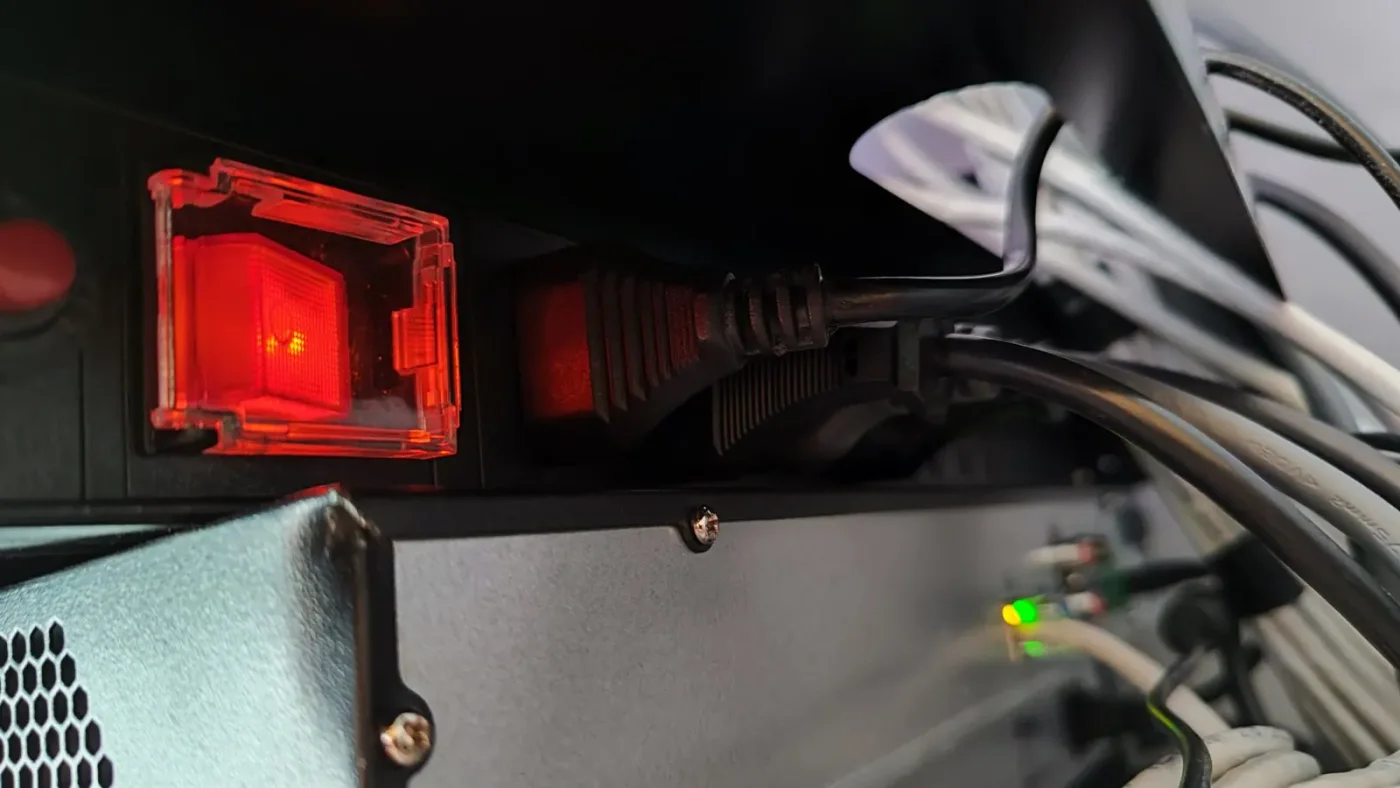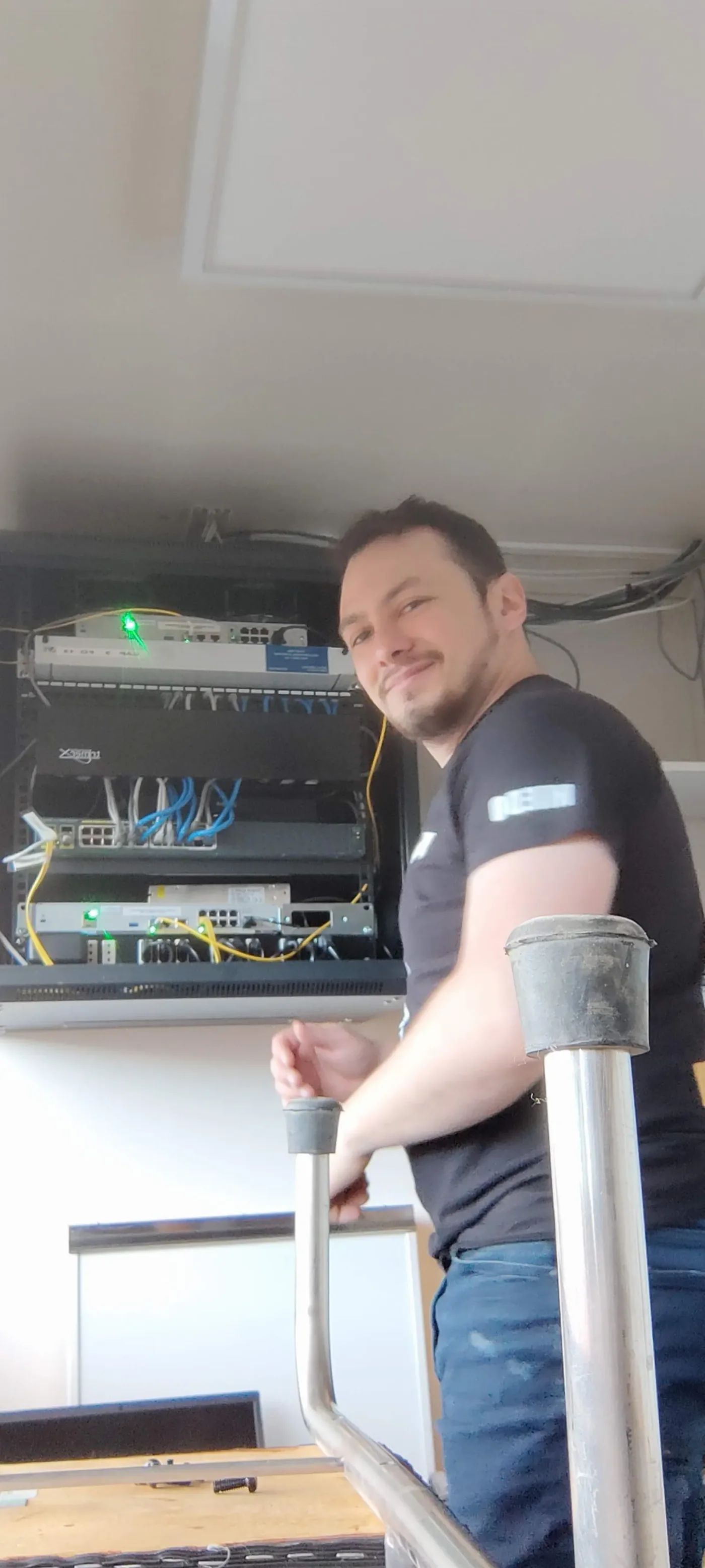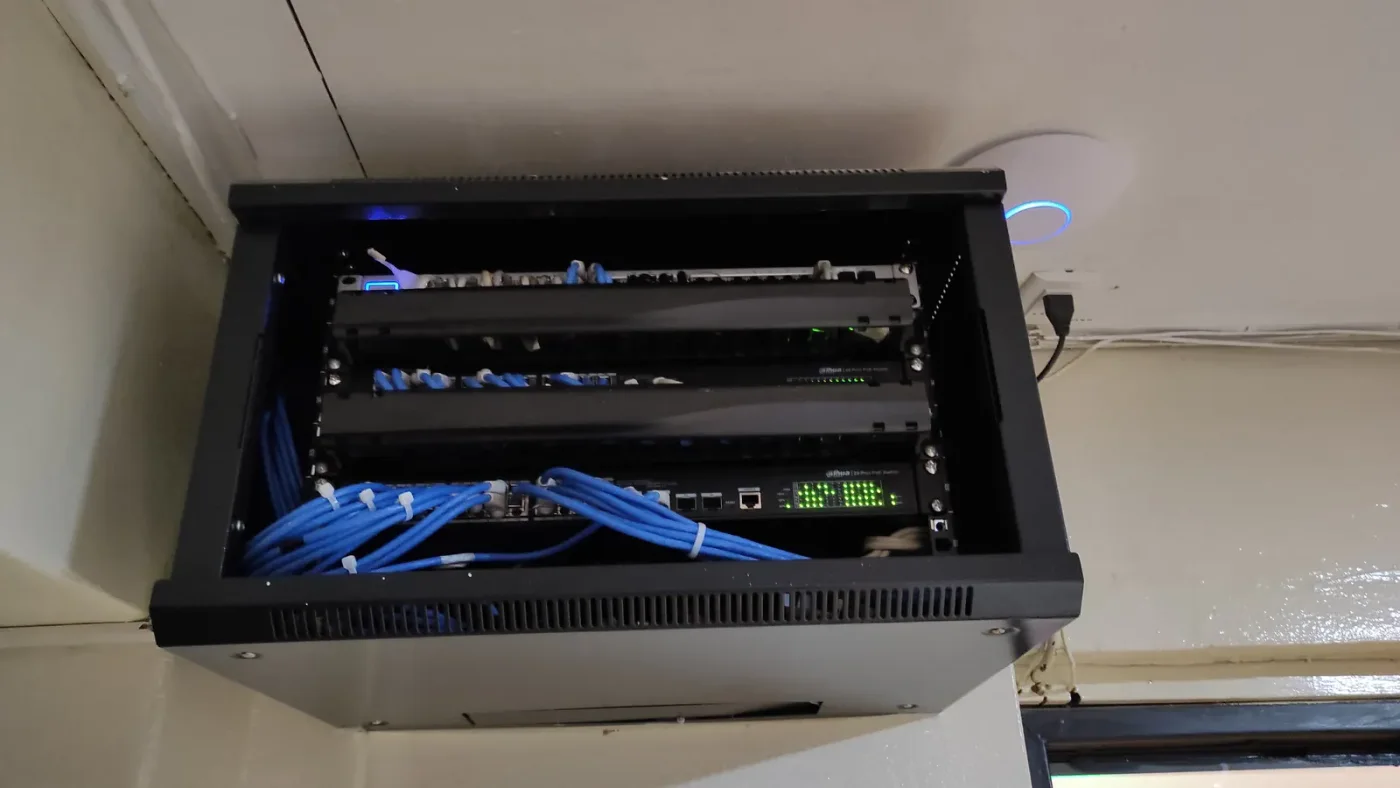
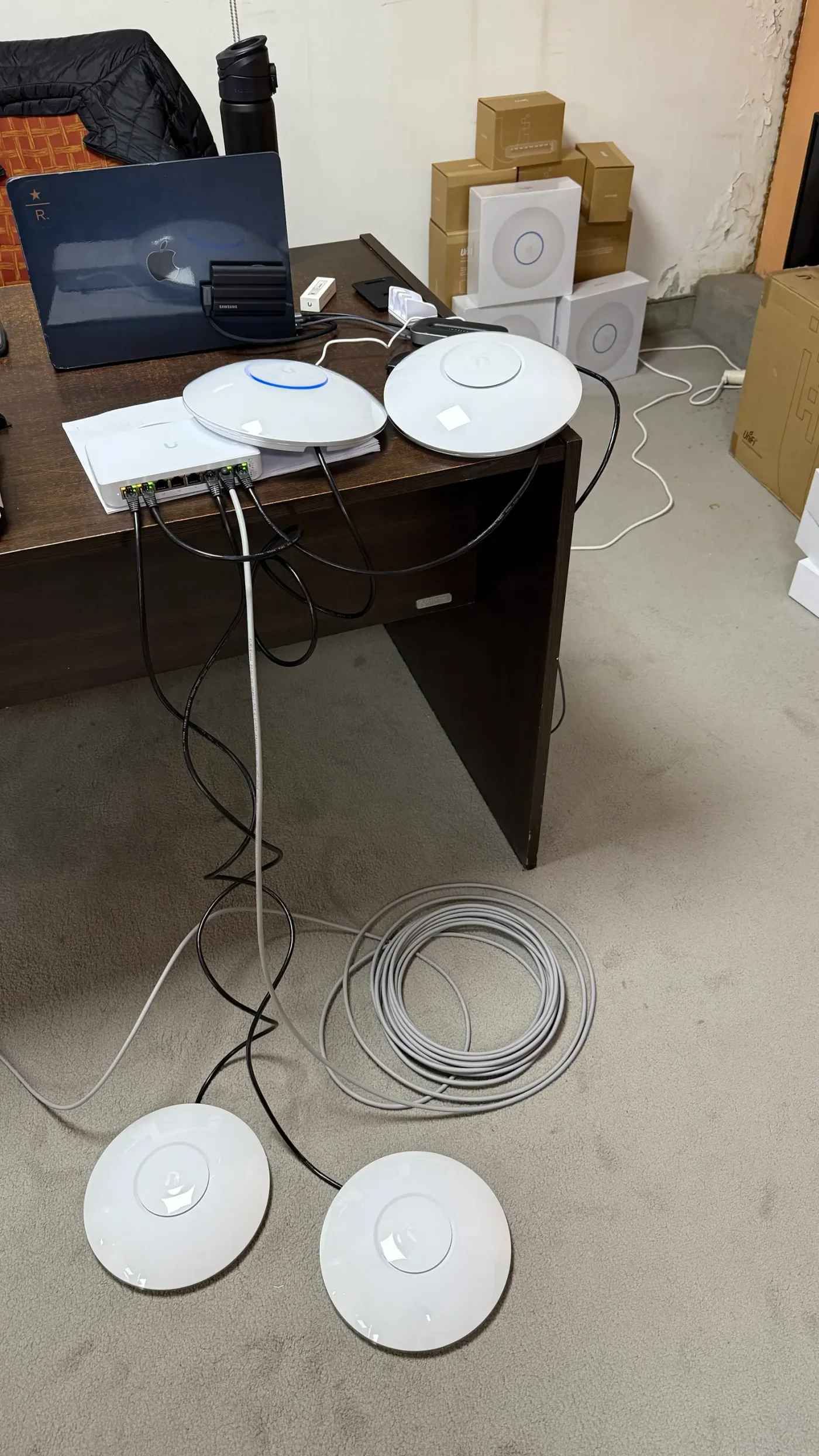
A hotel in Patagonia’s rating for Wi-Fi improved from 3.2 to 4.9 stars in guest reviews, with 99.8% availability and zero Wi-Fi complaints on TripAdvisor within three months. The project, which included a site survey, VLAN segmentation by user group, and a captive portal, was implemented in just three weeks without disrupting the hotel’s operations.
Editorial Note – October 2026: This article is preserved in its entirety as an archive of the original publication. It does not include information such as the establishment’s identity, reviews, or records to verify its figures. The described results are not presented as verified evidence or as a promise to other hotels.
Before the project, “WiFi” was the term that appeared most frequently in the negative reviews of this Patagonian hotel. After that, it stopped appearing as a complaint. This is the complete account, with documented figures regarding the case.
The problem, with the same symptoms as always.
The initial diagnosis identified the four most common problems in hotel Wi-Fi:
- Dead spots in hallways and common areas, which directly led to negative reviews.
- The network became congested during peak hours, specifically during check-in and at night – precisely when guests needed it most.
- Without network segmentation, a compromised device could, in theory, access the hotel’s cameras or systems.
- A generic Wi-Fi portal, without the hotel’s branding and no way to collect guest data for marketing purposes.
The specific rating for Wi-Fi in guest reviews was 3.2 out of 5 before the changes were implemented.
Diagnosis before the team.
As with any hotel WiFi project, the first step wasn’t buying access points – it was measurement. A radio frequency site survey was conducted throughout the entire property, room by room and in common areas, and this data was used to create an accurate coverage map, identifying the exact locations where the signal wasn’t reaching.
The solution, in three parts.
- Access points configured with data, not based on guesswork. The numbers and locations came directly from the coverage map, not from a generic table.
- Network segmentation based on usage. The guest networks, staff networks, and camera feeds were separated to ensure that no compromised device could access the hotel’s critical systems.
- Login page with the hotel’s branding. He replaced the generic portal with a customized one, which is able to collect guest data with their consent for post-stay email communication.
The results, documented
| Indicator | Result |
|---|---|
| WiFi rating in reviews | From 3.2 to 4.9 stars |
| Network availability | 99.8%, with automatic failover. |
| Complaints about Wi-Fi on TripAdvisor after 3 months | 0 |
| Deployment time | Three weeks, without interrupting the operation. |
These figures relate to a real project by DITAP in a hotel in Patagonia, documented in 2026 as part of the hotel WiFi campaign for the group.
What makes this result reproducible?
What changed the ratings wasn’t a magical team – it was the sequence of decisions. Measuring before purchasing, separating the network by use before an incident forces it to be done, and providing guests with a portal that looks like a natural part of the hotel, rather than a generic factory screen. These are the same three decisions that form the… hotel Wi-Fi serviceThese are now applied to any property where the project begins from scratch.
What a poorly executed project often overlooks.
Most hotel Wi-Fi installations that receive negative reviews often share a common problem: purchasing equipment first and testing afterward, or not testing at all. Without a prior site survey, the installer distributes access points based on intuition, and the result is almost always the same: strong coverage near the router and dead zones throughout the rest of the building. Furthermore, without network segmentation, any security incident on a guest’s device is just a step away from the hotel’s internal network. And without a dedicated portal, the hotel misses the opportunity to capture the guest’s contact information at the only moment when they are guaranteed to be looking at a hotel screen.
How is the outcome sustained over time?
A WiFi project doesn’t conclude on the day of installation. The 99.8% availability achieved in this scenario is maintained through active link monitoring and automatic failover between providers, not simply by hoping that nothing goes wrong. The 4.9-star rating is upheld because the hotel continued to receive monthly support, including during peak season – precisely when the network is put to the test with a higher number of guests connected simultaneously.
What does that mean for your hotel?
If your hotel is receiving complaints about Wi-Fi today, it’s likely that you’re experiencing at least two out of the four common symptoms: dead zones, congestion during peak hours, unseparated networks, or a portal that doesn’t reflect your brand. The first step remains the same: a diagnostic visit to assess what’s actually happening within your building, before deciding what to install. This is the same free visit that initiated this project.
The prices listed are for September 2026. Please check the validity, scope, and applicable taxes before proceeding.
Frequently Asked Questions
Can this result be replicated in any hotel?
The method is indeed replicable: site survey, network segmentation, and a branded portal. The starting point and the exact number of devices vary depending on the building.
How much did the project cost?
We are not publishing the figures for that specific project because they depend on the size of the property. The standard price for the service starts at $120,000 per room, including everything.
Can it be done without closing the hotel?
Yes. The three-week deployment was carried out while the hotel continued to operate and welcome guests throughout the entire process.
What happened to the reviews after the project?
Mentions of Wi-Fi as a problem have disappeared from recent reviews; the specific rating for Wi-Fi has increased from 3.2 to 4.9 stars.